




In the realm of finance, timing is everything — and astrology, the study of cosmic timing itself, offers a fascinating mirror for the rhythm of the markets. Stock market astrology, also known as trading astrology or market timing astrology, examines planetary cycles, aspects, and lunar phases to forecast market moods, investor behavior, and turning points in global financial trends.
From ancient traders observing the Moon’s effect on tides and grain prices to modern financial astrologers analyzing planetary transits to Wall Street indices, this discipline rests on a timeless principle: the market, like humanity, moves in cycles — and the planets mark those cycles in the heavens.
Colder is Better. Especially when healing is the goal. Introducing CRYO Stay Young — Eastland Where science, recovery and performance meet extreme cold. Step into -110°C to -150°C and unlock: • Chronic pain reduction • Boost in metabolic health & fat burn • Better sleep + elevated mood • Max recovery & inflammation control And yes — It’s TGA Approved. Your body will thank you later. Are you ready to freeze your limits?The Cosmic Clock of Market Movements
Financial astrology views the stock market as a living organism — responsive to the same planetary influences that guide nations and individuals. Every rise and fall, every surge of optimism or fear, can be traced to shifting planetary tides.
Astrologers track the celestial clock to identify times of opportunity, volatility, or correction. These are not “predictions” in the fortune-telling sense, but timing indicators — helping traders align decisions with cosmic momentum.
Planetary Archetypes in the Market
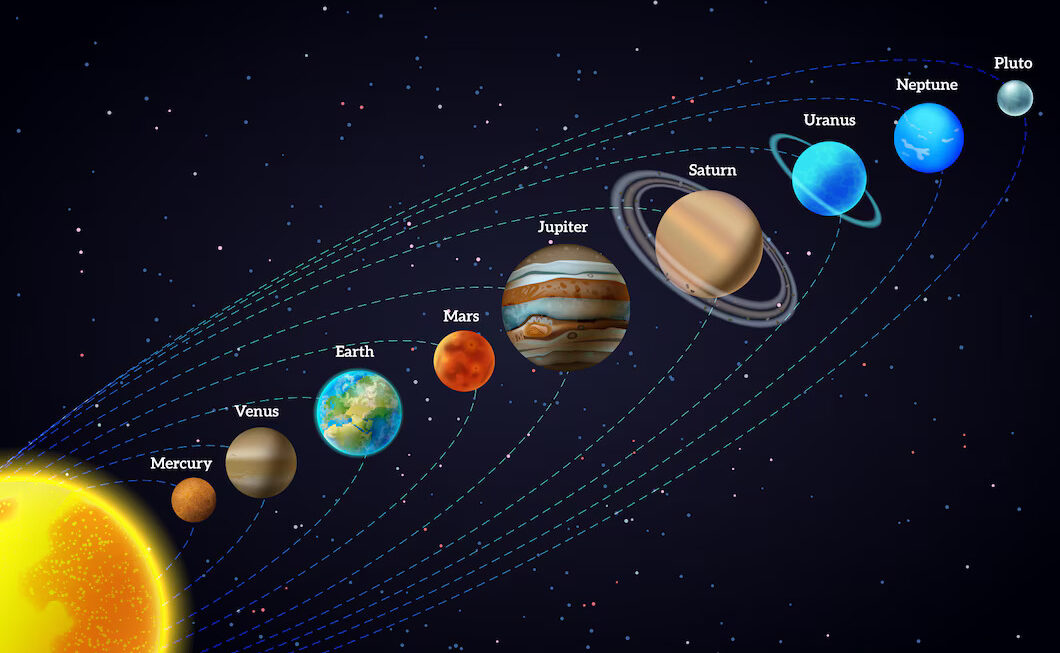
Each planet symbolizes a particular kind of financial energy:
| Planet | Market Symbolism |
| ☉ Sun | Leadership, market direction, confidence |
| ☽ Moon | Public emotion, short-term trends, volatility |
| ☿ Mercury | Trading, communication, quick reversals |
| ♀ Venus | Money, value, investor comfort |
| ♂ Mars | Action, speculation, risk-taking |
| ♃ Jupiter | Expansion, optimism, bull markets |
| ♄ Saturn | Correction, structure, market discipline |
| ♅ Uranus | Sudden shocks, innovation, tech trends |
| ♆ Neptune | Speculative bubbles, illusion, hype |
| ♇ Pluto | Power, transformation, market crashes or reforms |
When these planetary energies align — through conjunctions, squares, or oppositions — they often correspond to turning points in market psychology.
The Jupiter–Saturn Framework: Long-Term Market Cycles
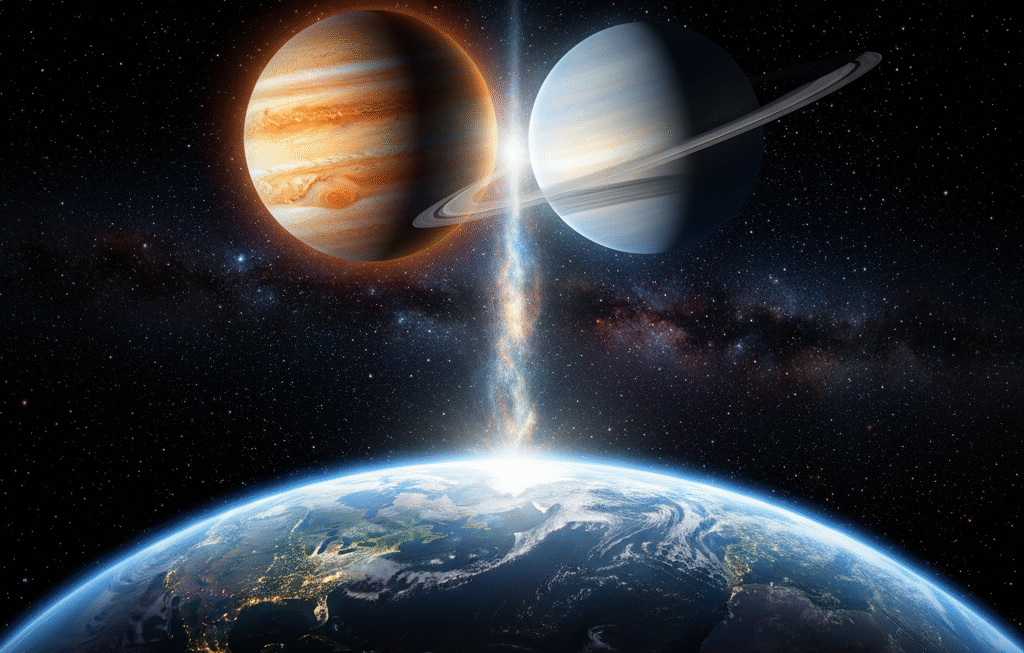
The Jupiter–Saturn conjunctions, occurring roughly every 20 years, set the tone for decades of financial behavior.
- Jupiter expands credit, speculation, and confidence — driving growth cycles.
- Saturn imposes limits, regulations, and reality checks — initiating contractions or recessions.
For example:
- The 2000 conjunction in Taurus (a sign of material wealth) marked the tech bubble burst and a reset of global values.
- The 2020 conjunction in Aquarius opened a digital, decentralized financial age — where innovation, cryptocurrency, and technology define wealth creation.
This rhythm between expansion and contraction forms the macro-economic heartbeat of civilization — what many astrologers call the “Great Financial Cycle.”
Lunar Phases and Market Sentiment
Short-term traders often observe lunar cycles — the Moon’s waxing and waning phases — as reflections of collective emotion:
- New Moons: Fresh starts, new trades, optimistic entry points.
- Full Moons: Emotional peaks, profit-taking, market reversals.
Many backtested studies in financial astrology show correlations between Full Moons and increased market volatility, as collective psychology reaches a crest before shifting direction.
Mercury Retrograde: The Trader’s Warning Signal
In market timing astrology, Mercury retrograde is a well-known cautionary phase.
As Mercury governs communication, contracts, and information flow, its retrograde motion (three times per year) often coincides with:
- Technical errors or trading glitches
- Market misinformation or rumors
- Reversals in short-term trends
- Delayed policy or data releases
Experienced traders use Mercury retrograde not to panic, but to review, reassess, and wait for clarity — echoing Mercury’s reflective energy.
Outer Planets: The Architects of Long-Term Financial Change
While inner planets affect short-term trading moods, outer planets (Uranus, Neptune, Pluto) define long-term structural shifts in the global economy:
- Uranus in Taurus (2018–2026) has coincided with the rise of cryptocurrency, AI-driven markets, and disruptive fintech innovation.
- Neptune in Pisces (2011–2026) mirrors speculative manias and financial idealism — from meme stocks to “illusionary wealth.”
- Pluto in Aquarius (2024–2043) marks the coming era of financial decentralization, AI economies, and the redefinition of value itself.
Each of these transits brings technological revolutions, shifts in power, and rebalancing of wealth — marking eras of both destruction and rebirth in the markets.
Planetary Aspects and Trading Windows
Astrologers track daily and monthly planetary aspects to gauge short-term trading sentiment.
For example:
- Jupiter–Venus trines → Optimism, buying enthusiasm
- Mars–Uranus squares → Market shocks or rapid volatility
- Saturn–Neptune oppositions → Disillusionment, loss of confidence
- Jupiter–Uranus conjunctions → Speculative surges and innovation-driven rallies
By timing entry and exit points around these celestial alignments, market astrologers attempt to ride the psychological wave of investor sentiment.
Case Studies in Market Astrology
📈 The 1929 Crash
Occurred during a Saturn–Pluto hard aspect — symbolizing power struggles, fear, and collapse of overextended systems.
💥 The 2008 Financial Crisis
Coincided with Pluto’s entry into Capricorn, the sign of banking and authority — marking systemic breakdown and transformation of financial institutions.
🌐 The 2020 Pandemic Market Reversal
Occurred during the rare Saturn–Pluto conjunction in Capricorn — signaling a historic restructuring of global economies and the rise of new digital paradigms.
Each event illustrates how planetary cycles synchronize with the collective pulse of human confidence, fear, and adaptation — the psychological drivers of every market chart.
The Philosophy of Market Timing
At its core, trading astrology teaches that markets are not random — they are reflections of collective consciousness. The stars do not cause market movements; they correlate with the rise and fall of mass emotion.
A skilled financial astrologer reads these celestial signatures not as deterministic commands but as maps of probability — a way to align human decision-making with universal timing.
The goal is not to predict every tick of the market, but to sense its rhythm — the waxing and waning of confidence, greed, and fear — as it mirrors the eternal dance of the planets.
Colder is Better. Especially when healing is the goal. Introducing CRYO Stay Young — Eastland Where science, recovery and performance meet extreme cold. Step into -110°C to -150°C and unlock: • Chronic pain reduction • Boost in metabolic health & fat burn • Better sleep + elevated mood • Max recovery & inflammation control And yes — It’s TGA Approved. Your body will thank you later. Are you ready to freeze your limits?Conclusion: The Sky as the Ultimate Trading Chart
In the luminous field of stock market astrology, traders learn that timing is cosmic. The same patterns that govern the movement of stars echo through market cycles, reminding us that finance, like nature, follows laws of rhythm and resonance.
When astrologers speak of planetary transits, they are not describing destiny but timing. And in the markets — as in life — timing often makes all the difference.