






In Vedic astrology, Ketu is the final shadow entity—the South Node of the Moon—representing the karmic knot that binds us to the past, but also the key to spiritual liberation (Moksha). It governs detachment, austerity, mysticism, deep research, isolation, and sudden insight. A strong Ketu grants profound intuition, psychic abilities, mastery in abstract subjects, and the ability to find contentment in solitude. However, an afflicted Ketu—often associated with malefic planets or sensitive points—can manifest as aimlessness, sudden abandonment, chronic feelings of isolation, strange skin or joint issues, phobias, and spiritual confusion.
The remedy for an afflicted Ketu is performing Ketu Daan (Ketu Charity). This is not an act of material gain (Venus) or disciplined effort (Saturn), but a profound spiritual sacrifice designed to satisfy Ketu’s deep, Tamasic (inert, withdrawing) hunger for final closure and detachment. Ketu donations are a technology for channeling the planet’s isolating energy into focused spiritual discipline and ultimate self-surrender.
The Karmic Logic of Ketu Charity: Surrender and Spiritual Focus
Ketu’s energy is inherently Tamasic and represents the completion of a cycle. When Ketu is afflicted, the core issue is often a karmic imbalance related to unresolved attachments from past lives, or an intense fear of letting go in this one. Ketu forces detachment by creating isolating circumstances.
The Karmic Principle: Ketu’s difficulties stem from past refusal to complete lessons or an intense attachment to spiritual achievement that borders on ego. By performing Ketu charity, you are voluntarily releasing the items that symbolize the final stages of material life and spiritual pursuit—the brown/grey items, woolen threads, and animals of sacrifice.
- The Act of Giving: By donating items associated with Ketu (woolen thread, sesame seeds, spiritual texts), you demonstrate to the cosmos and Ketu Dev that you are willing to surrender the things that anchor you to the material world. Because Ketu seeks Moksha, the donation must be humble and directed toward non-material ends. By giving away items symbolizing isolation (wool) and finality (sesame), you ask Ketu to remove its isolating effect and instead grant the highest gift: true spiritual detachment and intuition. This act purifies the channels of your past-life karma, guiding your mind toward genuine, unattached service.
Ketu Daan Toolkit: Specific Donations for Ketu
To perform effective Ketu Daan, one must select items that vibrate with Ketu’s primary energy—which is dark, smoky, mysterious, related to spiritual austerity, and the animal world.
| Item | Symbolic Meaning | Karmic Logic in Donation |
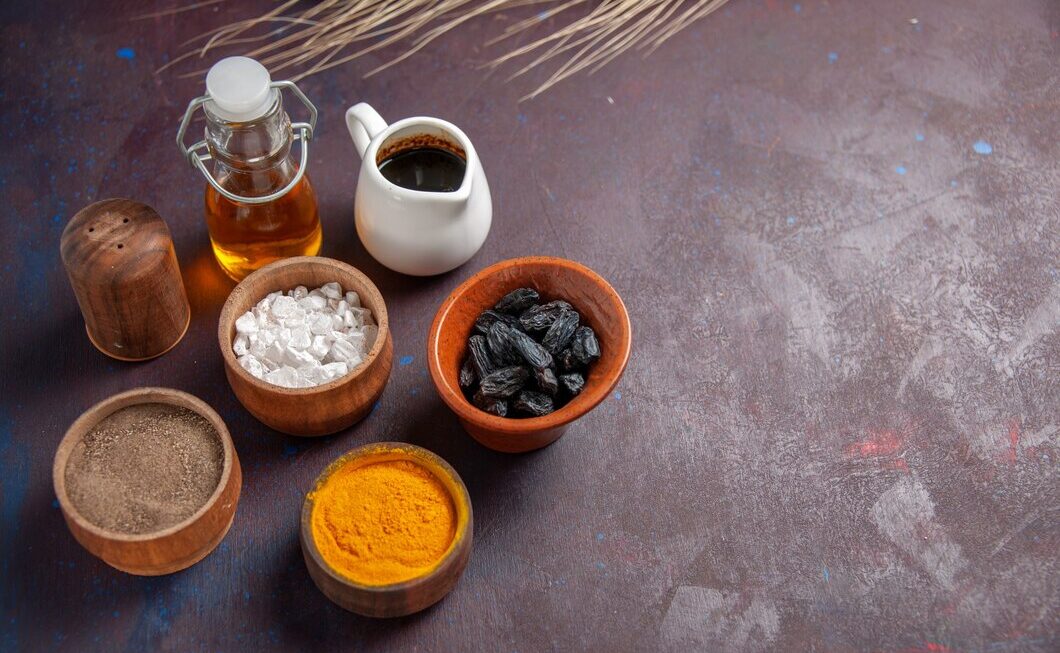
| Brown/Grey Items | Ketu’s colors, representing ambiguity, austerity, and isolation. | Donating brown or grey woolen blankets/clothing or sesame oil signifies a sharing of warmth and comfort to those who feel isolated, easing loneliness. |
| Sesame Seeds/Oil | Represents the final seeds of karma and the deep spiritual oil of wisdom. | Donating black or brown sesame seeds/oil is potent; it symbolizes the final clearing of karmic debris and enhances intuitive wisdom. |
| Spiritual Books/Texts | Ketu rules research, hidden knowledge, and philosophy. | Giving ancient texts, spiritual books, or sponsoring research is the highest form of ketu charity, enhancing intuition and abstract thinking. |
| Seven Grains (Satnaja) | A mix of seven grains, often used in rituals, signifying the completeness of past karma. | Donating a mix of seven grains to birds or temples symbolizes the resolution of diverse past-life debts. |
2. The Day: Thursday or Saturday
The timing for Ketu is often paired with its dispositor or its planetary friends.
- Thursday or Saturday: Thursday is suitable because Jupiter is often seen as Ketu’s guiding force towards Dharma. Saturday is effective because Ketu acts like Mars (Kuja-vat Ketu) but is a shadow planet like Saturn. Performing ketu donations on either day, depending on the chart’s specific needs, is generally effective.
3. The Recipient: Priests, Animals, and Researchers
The recipient must align with Ketu’s unconventional and spiritual significations to receive the full karmic credit:
- Needy Priests/Sanyasis: Ketu represents the ascetic. Humbly serving or providing for a poor priest, an ascetic, or a spiritual seeker honors Ketu’s domain.
- Animals (especially Dogs): Ketu is strongly linked to dogs (particularly the street or stray dog). Feeding stray dogs, especially those of mixed colors, is a highly direct and compassionate form of ketu charity.
- Orphans or Those without Family: Since Ketu represents detachment from family and roots, offering aid or comfort to orphans or those completely isolated is a potent remedy for loneliness.
The Philosophy of Ketu Daan: Embracing Detachment
The ultimate philosophical goal of Ketu Daan is to achieve Anasakti—non-attachment—and to channel the powerful spiritual energy correctly. Ketu demands that we complete the cycle and move forward with wisdom, not fear.
OREO Framework Application:
- Ketu Daan is the final, essential remedy for anyone feeling lost or isolated, transforming existential fear into spiritual freedom.
- Ketu’s struggles stem from the mind’s attachment to the known past, which prevents a leap of faith into the unknown future. By donating the symbols of its austere, withdrawn nature (brown wool, sesame), you are consciously renouncing the fear of isolation. This act of selfless surrender allows the powerful wisdom of Ketu to emerge as clear intuition, rather than confusing anxiety. You are proving that you are ready for the next spiritual chapter.
- If a person suffers from strange phobias, joint pain, and deep loneliness (classic Ketu afflictions), committing to feed stray dogs and donate brown/grey woolen items to an ashram or temple on a regular basis is a profound remedy. This action transforms the planet’s isolating effect into active, selfless Bhakti (devotion).
- Therefore, the purpose of ketu charity is to achieve a spiritual independence, transforming the pain of separation into the profound liberation and self-sufficiency that only true detachment can bring.
Daan, in the context of Ketu, is an act of spiritual closure—using the very things the planet holds dear (austerity and detachment) to gain its ultimate blessing: the freedom of the soul.