




Among the many branches of mundane astrology, one of the most fascinating and practical is economic astrology — the study of planetary influences on global finance, trade, and economic cycles. While it may sound mystical, this field is deeply rooted in the observation that the same celestial rhythms influencing nations and leaders also echo through markets and economies.
Just as human emotions fluctuate with lunar phases, collective economic moods — optimism, fear, expansion, and contraction — tend to rise and fall in sync with planetary cycles. The stars, it seems, not only shape destiny but also chart the tides of prosperity and decline.
The Cosmic Logic of Financial Astrology
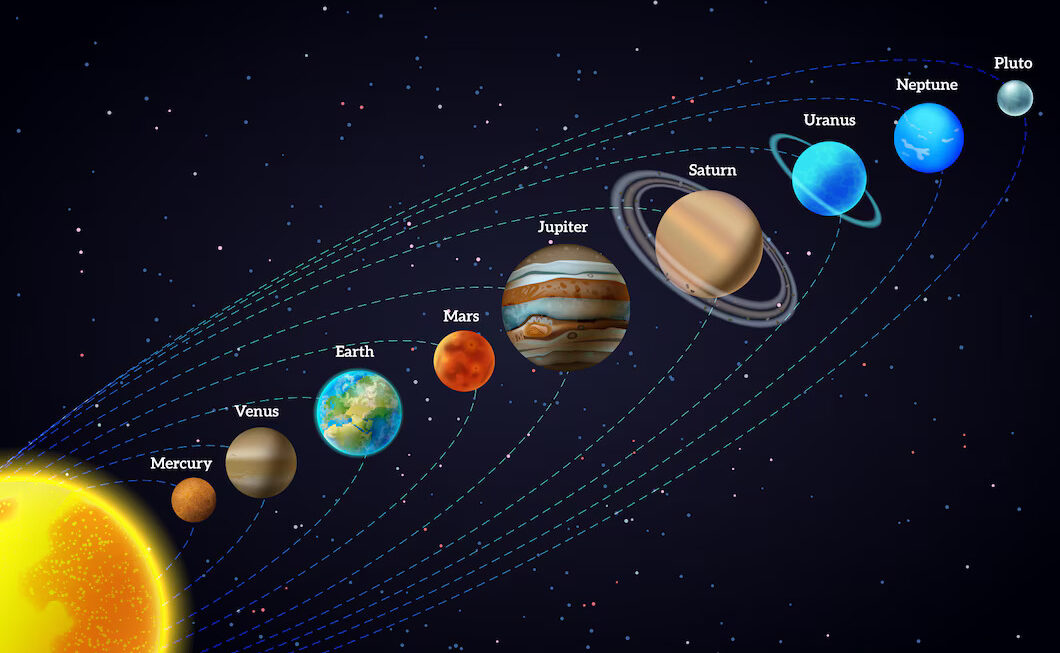
In financial astrology, planets symbolize archetypal economic forces:
- Sun → Leadership, vitality, national confidence
- Moon → Public sentiment, mass psychology, consumer trends
- Mercury → Trade, communication, and commerce
- Venus → Money, assets, luxury, and value systems
- Mars → Industry, competition, and military expenditure
- Jupiter → Growth, expansion, and optimism
- Saturn → Contraction, regulation, and fiscal discipline
By studying the relationships between these planets — along with eclipses, transits, and conjunctions — astrologers can identify economy cycles that align with booms, recessions, and global shifts.
Saturn and Jupiter: The Economic Clock of Civilization
As discussed earlier, the Saturn–Jupiter conjunction marks a 20-year rhythm that acts as a “cosmic pulse” for global economic structures.
- Jupiter expands credit, opportunity, and optimism — the “bull market” planet.
- Saturn restricts, tests, and consolidates — the “bear market” force.
When these two meet, the financial system recalibrates. The sign in which the Great Conjunction occurs reveals the nature of the next economic cycle.
For example:
- 1980–2000 (Libra–Taurus era): Material prosperity, global consumerism, and stock market expansion.
- 2000–2020 (Earth–Air transition): The rise of tech industries, digital economies, and the housing-market bubble.
- 2020 onward (Aquarius): The age of decentralized finance, cryptocurrency, AI economies, and digital equity.
In economic astrology, these planetary shifts are not coincidences — they symbolize collective changes in humanity’s value systems.
Planetary Triggers and Economic Turning Points
Certain planetary transits have historically correlated with financial turning points.
Here are a few examples that economic astrologers often track:
Jupiter–Uranus Cycles (Every 14 Years)
Symbolize economic innovation and speculative growth.
- The dot-com boom (1999–2000) and cryptocurrency rise (2010–2011) both occurred during Jupiter–Uranus alignments.
These periods favor bold investments and technological revolutions that reshape markets.
Saturn–Uranus Squares (Every 45 Years)
Mark economic tension between tradition and innovation.
- The Saturn–Uranus square of 2021 coincided with global supply-chain crises, inflation debates, and challenges to traditional work models.
This aspect reveals structural stress within capitalism itself — the old meeting the new.
Neptune Transits
Neptune governs illusions, speculation, and bubbles.
- During Neptune in Capricorn (1984–1998), idealism about globalization and corporate power peaked — fueling both wealth and disillusionment.
- Now, with Neptune in Pisces, we see new forms of financial idealism: cryptocurrency dreams, digital wealth, and the “illusion” of limitless digital abundance.
Pluto Transits
Pluto governs power and transformation — and in economics, it correlates with wealth redistribution and systemic overhaul.
- Pluto in Capricorn (2008–2023) oversaw the collapse and reconstruction of global financial institutions.
- As Pluto enters Aquarius (2024–2043), we may witness a radical democratization of wealth — decentralized finance, AI-driven economies, and collective ownership models.
Economic Eclipses: When the Light Shifts in Global Markets
Eclipses, too, play a role in financial astrology predictions. A solar eclipse in Taurus (sign of money and resources) or Scorpio (sign of debt and power) often coincides with shifts in economic sentiment.
For instance:
- The May 2022 lunar eclipse in Scorpio occurred amid major global inflation concerns and cryptocurrency crashes.
- Eclipses affecting Venus or Jupiter can shift market confidence dramatically — for better or worse.
Astrologers use these eclipse charts alongside national horoscopes to identify which economies or currencies are likely to experience volatility or opportunity.
The Collective Mood: Tracking Economic Psychology
Just as investors respond to confidence and fear, the planets mirror collective psychology. Jupiter–Venus alignments bring optimism and investment enthusiasm, while Saturn–Mars hard aspects foster caution and contraction.
This correlation between planetary aspects and global financial trends forms the foundation of financial astrology. It is not about predicting specific stock prices but understanding the archetypal mood of markets — the energetic weather that influences global trade, policy, and wealth flow.
Economy Cycles and the Spiritual Dimension of Wealth
From a deeper esoteric lens, economic astrology reminds us that wealth itself is cyclical — a flow of energy, not a fixed possession. When Jupiter expands and Saturn contracts, they mimic the natural rhythm of inhalation and exhalation in the economic body of the world.
Periods of excess (Jupiter) lead inevitably to correction (Saturn). This dynamic ensures balance — reminding humanity that true abundance lies in wisdom, not accumulation. The stars, through their cycles, teach economies the same lesson they teach souls: evolution requires both expansion and discipline.
Conclusion: The Market as a Mirror of the Cosmos
By tracing planetary movements across the decades, financial astrology predictions reveal a profound truth — the economy is not separate from nature or the cosmos. It breathes in rhythm with celestial law.
When Jupiter and Saturn dance, when Neptune dreams, or when Pluto reforms, global markets respond — because they are all reflections of a single, interconnected intelligence.
The true student of economic astrology learns not just to forecast profits, but to understand the spiritual pattern behind prosperity — the eternal cycles through which humanity learns the sacred art of balance, stewardship, and renewal.